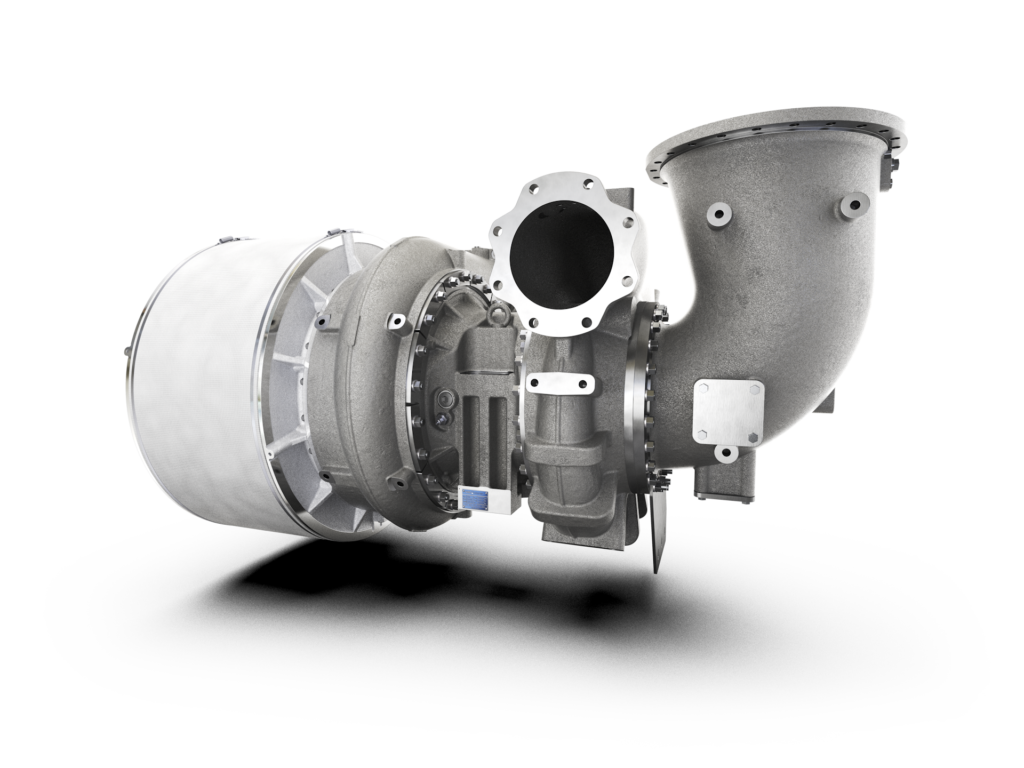
But how does it actually work?
The Core Principle: Reusing Exhaust Energy
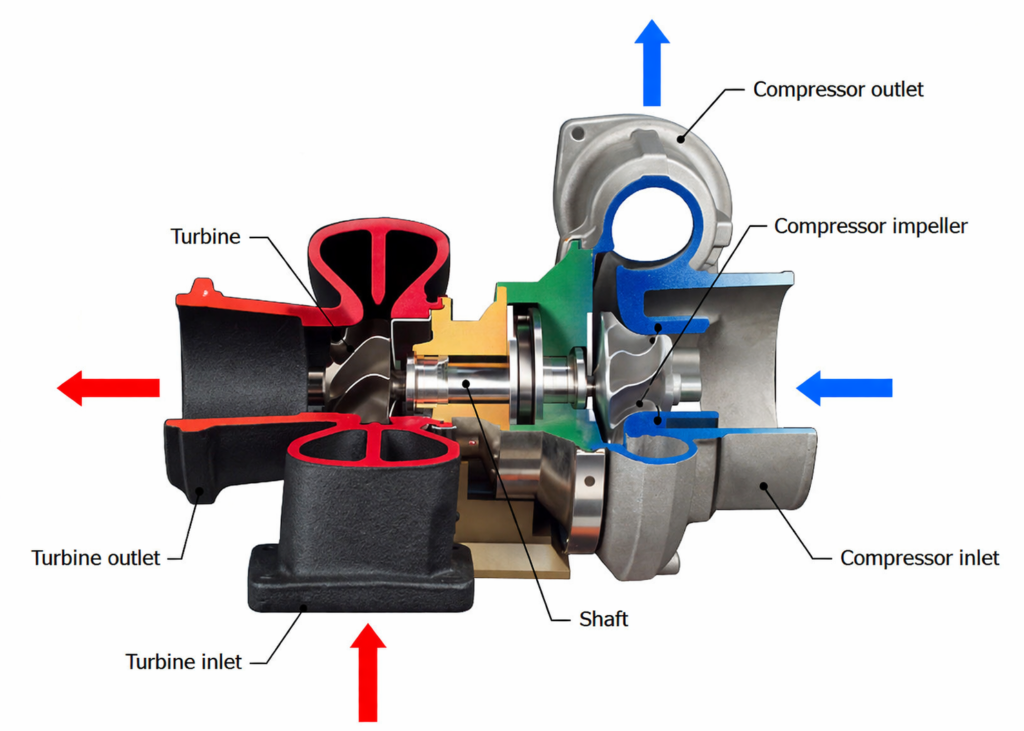
At its simplest, a turbocharger converts wasted exhaust gas energy into useful power.
Instead of letting hot exhaust gases escape unused, the turbocharger captures this energy to drive a turbine, which in turn powers a compressor.
Step-by-Step: How a Turbocharger Works
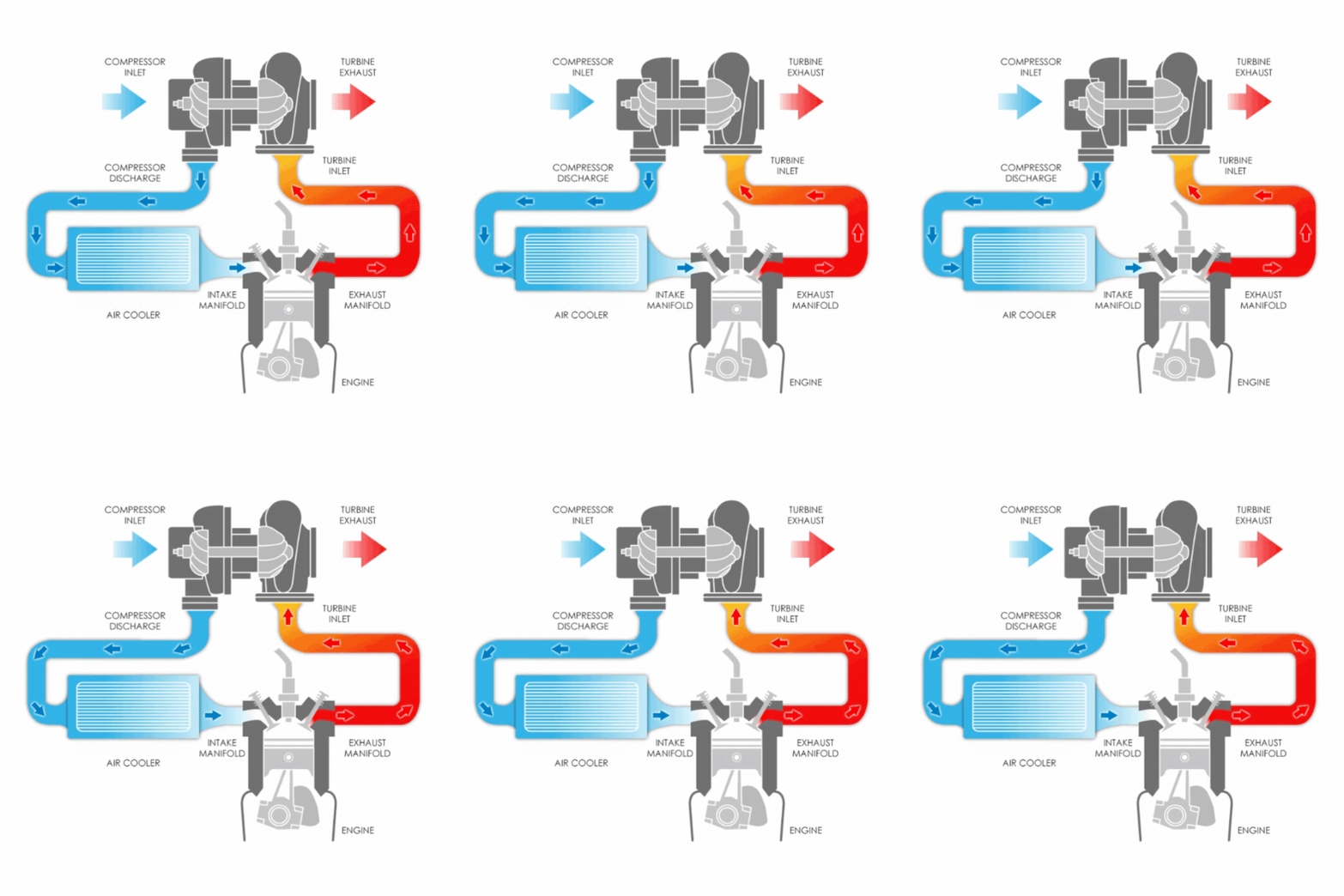
1. Exhaust Gas Drives the Turbine
Hot exhaust gases exit the engine and enter the turbine side of the turbocharger.
This high-energy flow spins the turbine wheel at extremely high speeds.
2. Turbine Spins the Compressor Impeller
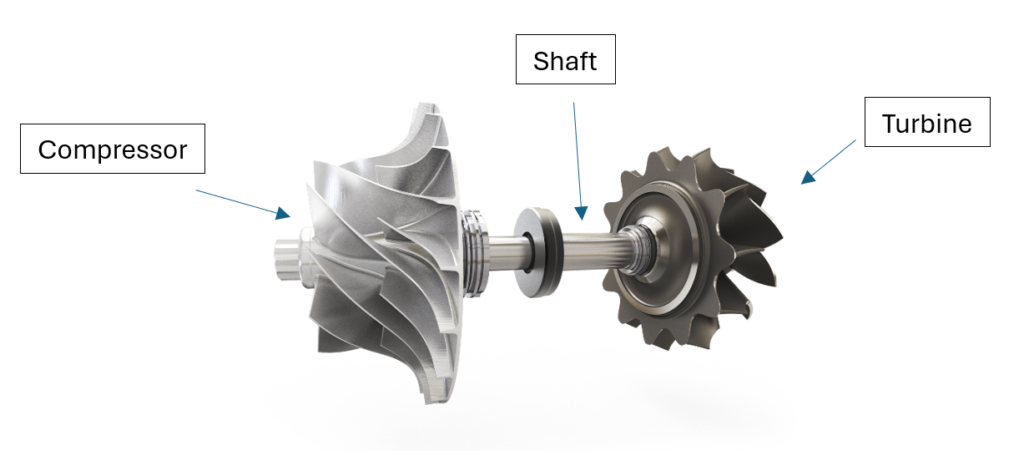
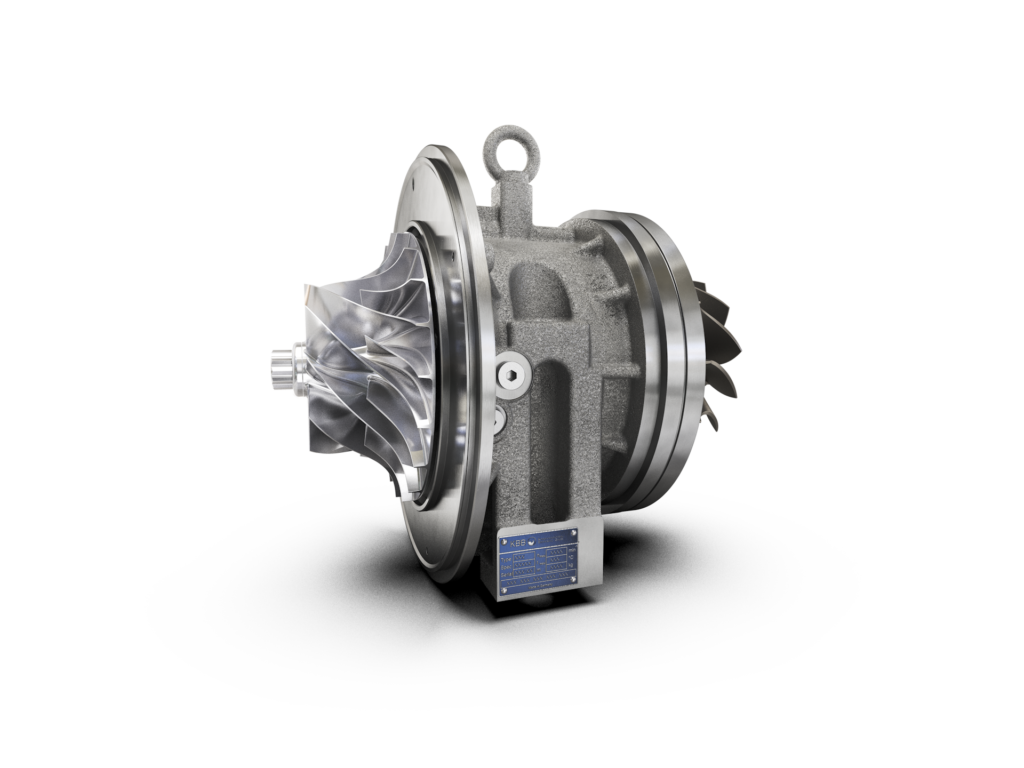
The turbine is connected via a shaft to the compressor wheel on the other side. As the turbine spins, it drives the compressor at the same speed.
 3. Compressor Pressurizes Incoming Air
The compressor draws in fresh air and compresses it, increasing its pressure and density.
👉 More air = more oxygen available for combustion.
4. Air is Cooled (Intercooler Stage)
Compressed air becomes hot, which reduces its density.
So before entering the engine, it passes through an air cooler (intercooler) to:
- Reduce temperature
- Increase air density further
- Improve combustion efficiency
5. High-Density Air Enters The Engine
The cooled, pressurized air flows into the intake manifold, entering the combustion chamber.
With more oxygen available:
- More fuel can be injected
- Combustion becomes more powerful
- Engine output increases significantly
6. Cycle Repeats
After combustion:
- Exhaust gases exit the engine
- The process repeats continuously
 Key Benefits of Turbocharging
1. Increased Power Without Bigger Engines
Turbochargers allow smaller engines to produce more power—ideal for space-constrained environments like ships.
2. Better Fuel Efficiency
By improving combustion efficiency, turbochargers reduce fuel consumption per unit of power.
3. Lower Emissions
More complete combustion helps reduce:
- Unburnt fuel
- Certain emissions (supporting decarbonisation goals)
4. Energy Recovery
Turbochargers are essentially energy recovery systems, making engines more efficient overall.

Why It Matters in Marine Applications
In marine operations, efficiency and reliability are everything:
- Longer voyages demand fuel optimisation
- Rising fuel costs require better performance
- Emissions regulations are tightening globally
A well-maintained turbocharger ensures:
- Stable engine performance
- Lower operating costs
- Reduced downtime
Final Thought
A turbocharger is not just a performance booster—it’s a critical efficiency system.
It transforms wasted exhaust energy into usable power, helping engines run stronger, cleaner, and more efficiently.
For enquiries on turbocharger services, simply contact us 24/7 at:
📞 +65 9827 3471
📧 turbo@trumarine.com
Follow us on our Linkedin page for more news update: https://www.linkedin.com/company/tru-marine/